Emergency rubbish removal Millbank fast clearance for flats
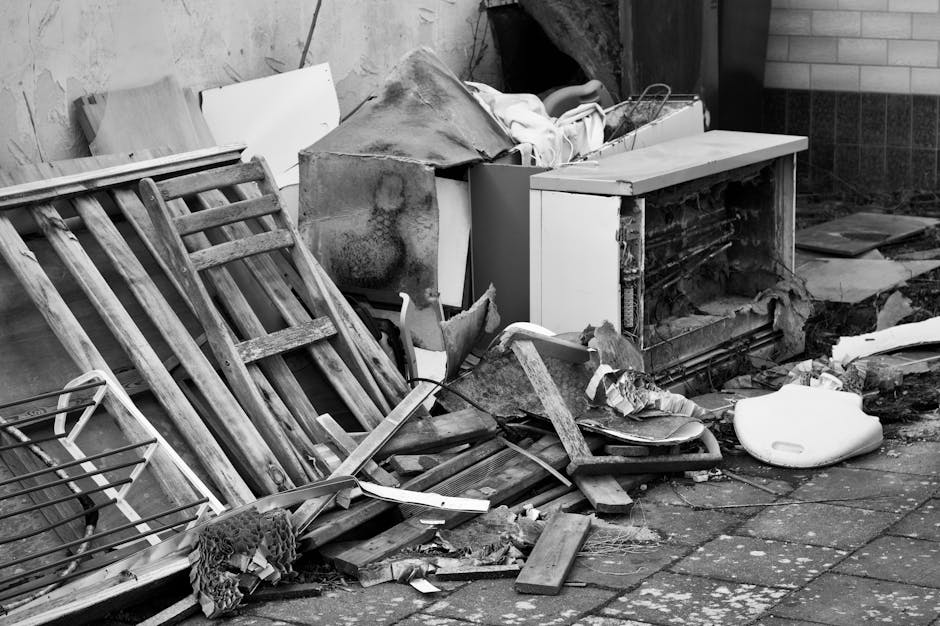
If you are dealing with a blocked hallway, a bulky pile of junk by the front door, or a flat that simply needs clearing today, emergency rubbish removal in Millbank can feel less like a nice-to-have and more like the only sensible next step. In a place like Millbank, where flats often mean tight stairwells, limited loading space, and neighbours who notice everything, speed matters. So does care. This guide explains how fast clearance for flats works, what to expect, and how to avoid the common headaches that make an urgent job even more stressful.
Whether you are clearing after a tenant move-out, dealing with unwanted furniture, or trying to make a property safe and presentable again, the aim is the same: remove waste quickly, keep disruption down, and do it properly. Let's face it, nobody wants bags sitting outside for another day if they can help it.
Why emergency rubbish removal Millbank fast clearance for flats matters
Flat clearance is rarely just about clutter. In an emergency, rubbish can become a practical problem within hours. Bags can block shared access, old furniture can stop a move, and waste left in communal areas can create friction with neighbours or building management. In Millbank, where apartment living often means shared entrances, lifts, and service rules, a delay can turn a small issue into a building-wide nuisance.
There is also the safety side. Loose rubbish can be a trip hazard, broken items can cause injury, and damp waste in a warm hallway is not pleasant for anyone. If a flat has been vacated quickly, or if a family member has left things behind after a difficult period, the emotional weight can be just as real as the physical mess. In those moments, fast clearance is not just convenient. It helps restore order.
A good service also reduces pressure on you. You do not have to arrange multiple trips, hire a van, or ask friends to help carry a sofa down four floors on a Tuesday evening. That alone is worth a lot.
Expert summary: Emergency flat clearance works best when speed, access planning, and responsible waste handling are treated as one job, not three separate problems.
How emergency rubbish removal Millbank fast clearance for flats works
Fast clearance for flats usually starts with a quick assessment. You describe what needs removing, how much there is, whether the items are in a flat, basement, top floor, or communal area, and whether there are any access issues. That first conversation matters because a flat with a lift is very different from a fourth-floor walk-up with a narrow stairwell and no parking nearby.
From there, the process is usually straightforward:
- Initial contact and job details - You explain the rubbish type, the urgency, and any building restrictions.
- Collection planning - The team works out vehicle access, manpower, and loading time.
- Arrival and removal - Items are taken out carefully, with attention to walls, floors, and communal areas.
- Sorting and loading - Waste is separated where possible so recyclable material is not mixed unnecessarily with general waste.
- Responsible disposal - The load is taken for appropriate processing, reuse, or recycling where suitable.
That sounds simple, and in decent conditions it is. But in a real flat-clearance scenario, the tricky bits are usually practical, not technical. A mattress wedged in a hallway. A broken wardrobe that only moves if dismantled. A blocked parking bay. Small things, but they matter.
If the rubbish includes old furniture, you may also want to look at furniture clearance or furniture disposal if the items are mostly bulky household pieces rather than mixed waste. For broader property jobs, flat clearance can be a useful related service to understand the wider process.
Key benefits and practical advantages
There are a few reasons people choose emergency rubbish removal rather than waiting for a slower, self-managed option. Some are obvious. Others become obvious only after the job is done.
- Speed when timing matters - ideal for last-minute move-outs, landlord inspections, or urgent safety concerns.
- Less disruption in shared buildings - the waste is removed in one visit, which is kinder to neighbours and building rules.
- Better handling of bulky items - sofas, beds, wardrobes, and white goods are awkward in flats, full stop.
- Reduced manual strain - no need to drag heavy items downstairs yourself.
- Cleaner reset of the space - the flat feels usable again, not just less messy.
There is also a less obvious benefit: decision fatigue drops. When a room is full of rubbish, every hour you delay seems to create another tiny decision. Keep it, move it, bin it, donate it? Having a professional team take on the bulk of the work can be a relief.
For bigger or mixed loads, a wider waste removal service may suit the job better than a single-item pickup. If the flat has become cluttered over time, or you are dealing with more than just one room, home clearance can also be worth considering.
Who this is for and when it makes sense
This kind of service is useful for a wider range of people than many expect. It is not only for landlords with a deadline or letting agents with a bad day ahead. In practice, urgent flat rubbish clearance often helps:
- Tenants who are moving out quickly and need to leave the flat clear.
- Landlords preparing for new occupants, inspections, or repairs.
- Property managers dealing with abandoned items or access issues.
- Families helping clear a relative's flat after a difficult change.
- Homeowners who need a fast reset after building work or a sudden cleanout.
- Office or mixed-use premises where waste has built up in a residential-style unit.
It makes sense when time is short and the consequence of delay is bigger than the cost of getting help. That might mean a checkout deadline, a building complaint, or simply the fact that you cannot live around the mess another night. You know the kind of situation: the bin bags are lined up by the door, the stairwell feels tighter than it should, and everyone is getting a bit fed up.
For work that overlaps with business premises, business waste removal or office clearance can be relevant. If the mess comes from refurbishment or repairs, builders waste clearance may be the closer fit.
Step-by-step guidance
If you want the job to go smoothly, a bit of preparation helps a lot. You do not need to overthink it, but a few practical steps make the difference between a quick visit and a frustrating one.
- Identify what needs removing
Walk through the flat and separate rubbish into broad groups: bagged waste, furniture, broken items, mixed junk, and anything recyclable or reusable. - Check access
Think about stairs, lifts, parking, entry codes, and whether the building needs advance notice. A two-minute check can save twenty minutes later. - Clear the route
Move small obstacles out of hallways and keep pets, children, and fragile belongings away from the access path. - Ask about timing
Urgent jobs often depend on the time of day, traffic, and building restrictions. Early morning can be easier than you think. - Flag special items
Large wardrobes, broken glass, wet waste, or anything awkward should be mentioned up front. - Confirm disposal expectations
Ask what happens to mixed waste, reusable items, and recyclable material so there are no surprises.
If you have ever tried to drag a heavy sofa through a narrow hallway, you already know the value of planning. The sofa never wins, by the way. It just gets stuck in a more embarrassing position.
When the goal is a tidy, urgent reset, a service with clear processes and proper handling is reassuring. If you want to understand the business side as well as the practical side, review the provider's pricing and quotes approach before you commit.
Expert tips for better results
In our experience, the fastest jobs are rarely the ones with the most muscle. They are the ones with the clearest information and the least ambiguity. A few small habits help a lot.
- Photograph the waste before collection so everyone starts with the same picture.
- Tell the team about access constraints even if they seem minor.
- Separate valuables and documents first before anything else moves.
- Keep communal areas clear to avoid complaints or accidental damage.
- Have keys, codes, or concierge instructions ready so no one is waiting in the hallway.
- Ask for recycling options if you are trying to reduce landfill where practical.
Another useful tip: if the clearance is part of a larger declutter, make quick decisions in batches rather than item by item. One box for keep, one for donate or reuse, one for remove. Simple, slightly imperfect, but effective. And yes, sometimes that old chair really does need to go.
You can also ask about the provider's approach to reuse and recycling through their recycling and sustainability information. That matters if you want more than just a rushed haul-away.
Common mistakes to avoid
Emergency jobs often go wrong because people focus on urgency and forget the basics. Fair enough. Under pressure, everyone cuts corners. But a few mistakes keep showing up.
- Waiting until the last minute - the tighter the deadline, the fewer options you may have.
- Underestimating volume - one flat can generate far more waste than expected once cupboards are opened.
- Ignoring access problems - a job that looks easy from the inside can be awkward from the street.
- Mixing rubbish with important belongings - this one happens more often than people admit.
- Forgetting building rules - some blocks have specific collection windows or loading arrangements.
- Choosing purely on speed - fast is useful, but proper handling still matters.
The biggest mistake, to be honest, is assuming all clearance jobs are the same. A one-bed flat with a few bags is not the same as a top-floor flat with furniture, mixed rubbish, and no lift. If the service does not ask the right questions, that is usually a warning sign.
Tools, resources and recommendations
You do not need a truckload of tools to prepare for a fast clearance, but a few basics make things easier.
- Heavy-duty bags and boxes for loose waste and smaller items.
- Label tape or marker pens to mark keep, remove, and fragile items.
- Protective gloves if you are sorting through dusty or awkward contents.
- A phone camera for documenting what is in the flat before collection.
- Door or access notes if someone else will be letting the team in.
For straightforward flat-related jobs, it also helps to look at the provider's wider service pages. House clearance may be relevant if the property is larger than a standard flat or includes more rooms than expected. Loft clearance can be useful where storage space has quietly become a dumping ground. And if the job involves damaged couches, tables, or other oversized pieces, furniture disposal may match the need more closely.
Law, compliance, standards, or best practice
With rubbish removal, compliance is not about making things complicated. It is about avoiding the kind of mess that becomes someone else's problem later. In the UK, the key best-practice principle is simple: waste should be handled by a responsible party and taken to an appropriate facility or processing route. You do not want waste left in a communal area, dumped informally, or handled carelessly.
Good practice usually means:
- Clear identification of the waste type before removal.
- Safe lifting and handling in stairwells, lifts, and narrow corridors.
- Careful consideration of reusable and recyclable items where practical.
- Respect for building access rules and residents.
- Proper insurance and safety awareness when moving bulky or awkward items.
If you are comparing providers, it is sensible to review their health and safety policy and insurance and safety information. That does not mean every job is high risk. It just means the company takes the basics seriously, which is what you want when a heavy item is coming down a staircase at 8.15 on a wet London morning.
You may also want to understand how they manage service expectations through terms and conditions. It is not glamorous reading, no, but it can save a lot of confusion later.
Options, methods, or comparison table
Not every urgent flat clearance needs the same approach. The right method depends on volume, access, and how fast you need the space cleared.
| Method | Best for | Pros | Trade-offs |
|---|---|---|---|
| DIY clearance | Very small amounts of bagged waste | Low direct cost, full control | Time-consuming, physically demanding, hard with flats |
| Van hire and self-load | Medium loads with help available | Flexible timing, useful for sorted items | Parking, lifting, and disposal responsibilities stay with you |
| Professional emergency rubbish removal | Urgent, bulky, or access-heavy flat clearances | Fast, efficient, less stress, better for awkward items | Usually higher upfront cost than doing it yourself |
| Specialist flat clearance | Full or partial flat clear-outs | Suited to larger residential jobs, more organised handling | May be more than you need for a tiny load |
For most emergency situations in Millbank flats, the professional route is the most realistic. Not because DIY never works, but because flats are awkward. Stairs, neighbours, parking, time pressure. It all stacks up.
Case study or real-world example
Picture a one-bedroom flat near Millbank where a tenant has moved out quickly and left behind a mix of bagged rubbish, a disassembled bed frame, and an old armchair in the living room. The building has a narrow entrance, a lift that cannot take oversized furniture easily, and a concierge who wants everything done within a tight time window.
In that kind of situation, the smart approach is to avoid piecemeal trips. The clearer the brief, the smoother the clearance. Items are grouped first, the route out of the flat is checked, and bulky pieces are removed before the smaller bags. If needed, furniture is separated from general waste so it can be handled properly.
What made the difference was not heroics. It was timing, a clear access plan, and not trying to improvise halfway through. The flat was left ready for cleaning and checks, and the building stayed calm. No drama. Which, in London, counts as a win.
Practical checklist
Use this quick checklist before the collection team arrives:
- Identify everything that needs to go.
- Separate keep, recycle, donate, and remove where possible.
- Check stairwell, lift, and parking access.
- Tell the provider about bulky, fragile, or awkward items.
- Make sure keys, codes, or entry arrangements are ready.
- Clear hallways and protect floors if needed.
- Put aside valuables, documents, and personal items.
- Confirm the time window and any building restrictions.
- Ask about recycling and responsible disposal.
- Keep your phone close in case access details need to be confirmed.
If the job feels bigger than expected, that is normal. Flats have a way of hiding more stuff than you thought possible. One cupboard opens and suddenly the whole plan changes a bit.
Conclusion
Emergency rubbish removal in Millbank is really about getting control back quickly, safely, and with as little disruption as possible. For flats, that usually means planning access, moving fast, and making sure waste is dealt with responsibly rather than just shifted out of sight. The best results come from clear communication, a practical approach, and a team that understands the realities of apartment living.
If you are weighing up your options, think about more than just speed. Consider access, the type of waste, how bulky the items are, and whether the job needs a broader flat clearance approach rather than a simple pickup. A good decision now can save a lot of hassle later. And frankly, that peace of mind is worth a lot on a busy day.
Get a free quote today and see how much you can save.
When the flat is cleared and the last bag is gone, the space feels lighter. Quiet again. That is often the moment people realise how much pressure the mess had been carrying.
Frequently Asked Questions
How fast can emergency rubbish removal for a flat in Millbank usually happen?
It depends on access, volume, and scheduling, but urgent flat clearances are usually arranged much faster than standard collection work. The more detail you give upfront, the easier it is to fit the job into the right window.
What types of rubbish can be removed from flats?
Most mixed household waste, bagged rubbish, broken furniture, and bulky items can usually be removed. If there are unusual items, it is best to mention them before the visit so the team can plan properly.
Do I need to move the rubbish downstairs first?
No, not usually. One of the main reasons people book fast clearance for flats is to avoid carrying heavy or awkward items themselves. It helps to clear access paths, but the lifting is normally handled for you.
Is emergency rubbish removal suitable for top-floor flats?
Yes, though top-floor access can affect timing and effort. Narrow stairs, no lift, and awkward furniture can all change the job plan a bit, so it is worth saying this early.
Can you remove just one large item from a flat?
Yes, in many cases a single bulky item such as a sofa, mattress, or wardrobe can be collected. Whether that is the most efficient option depends on the size of the item and the access involved.
What should I do before the team arrives?
Set aside valuables, clear pathways, and keep any items you want to retain well away from the removal area. If the building has rules about access or parking, it helps to sort those in advance too.
How do I know if I need flat clearance rather than waste removal?
If the job is mainly mixed rubbish or a few bags, waste removal may be enough. If there are multiple rooms, bulky furniture, or a near-empty flat that needs clearing, flat clearance is usually the better fit.
What happens to recyclable items?
Where practical, waste should be separated so recyclable material is handled appropriately. The exact process depends on the load, but responsible disposal should always be part of the service.
Will emergency rubbish removal disturb the building?
There will always be some movement through shared areas, but a well-run job should keep disruption low. Careful handling, short turnaround times, and good communication with the building all help.
How do I prepare if the flat has been left in a very cluttered state?
Start with a quick sort: valuables first, then anything you want to keep, then the obvious waste. After that, call for help rather than trying to tackle everything alone. A cluttered flat is exactly the kind of job where structure matters.
Is it worth getting a quote for a small flat clearance job?
Yes. Even smaller jobs can vary depending on access, item type, and how quickly you need them done. A quote helps you compare options properly instead of guessing.
Can emergency rubbish removal help before a landlord inspection or checkout?
Absolutely. That is one of the most common reasons people need a fast service. It helps restore the flat to a clean, presentable state and avoids last-minute scrambling.
For more about the team behind the service, you can also visit the about us page, or if you are ready to discuss a job, use the contact us page. If you want to compare the paperwork side first, the payment and security page and complaints procedure can also be useful reading.