Garden Clearance in Millbank
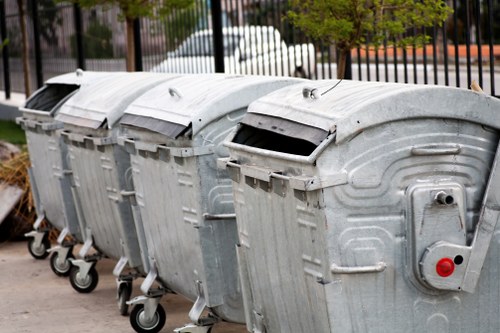
Garden clearance in Millbank needs a careful, practical approach, especially where outdoor spaces are compact, shared or tucked behind terraces and managed buildings. We clear unwanted green waste, broken outdoor items, old compost bins, plant pots, timber, soil in manageable amounts and general garden clutter so the space can be put back into use. The emphasis is on tidy removal, sensible segregation and a finish that leaves the area easier to inspect, maintain or replant.
Our work is suited to gardens that have become overgrown, paved yards with stored items, courtyards with accumulated waste, and plots that need a full reset before landscaping or routine maintenance. We also remove weathered furniture, dismantled planters and mixed outdoor debris where the contents are suitable for clearance. If you need to prepare the garden for a new layout, reduce seasonal build-up or simply remove a backlog of items, we can help with a straightforward service.
For a quotation, it helps to describe the type of waste, the access to the garden and whether anything needs to be dismantled before removal. A clear list of what is staying and what is going makes it easier to plan the job well. You can also ask for guidance on the most suitable clearance approach if the garden includes mixed materials or awkward access. See pricing and quotes information if you want to understand how estimates are normally arranged.
Green waste and garden debris removal

Most garden clearances begin with green waste, because cuttings, branches, hedge trimmings and dead planting quickly take up space. We separate recyclable garden material from other items wherever practical, which helps keep disposal organised and avoids mixing clean organic waste with heavier mixed rubbish. If the garden contains both fresh cuttings and older debris, the job can be planned so the different materials are handled in a sensible order.
Garden debris often includes more than simple foliage. Broken edging, toppled ornaments, emptied containers, worn bags of compost and small offcuts can all sit alongside the organic waste. We remove these items as part of the same clearance where they are appropriate for collection, reducing the need to sort through them yourself. Clear presentation of what is to be taken makes the work smoother and helps keep the area tidy while we load.
There are occasions when a garden is overfilled with lightweight material but also has heavier pieces that need additional attention. In those cases, the aim is not just to empty the space but to manage the load safely and leave the area ready for whatever happens next. If you are comparing options, our garden clearance page gives a focused view of the main service type and the kind of work it covers.
Overgrown areas and outdoor tidy-up work

An overgrown garden often contains tangled stems, self-seeded growth, fallen branches and hidden debris that only becomes obvious once the top layer is removed. We tackle this type of work carefully so the waste can be lifted in stages rather than treated as one undifferentiated pile. That makes it easier to deal with different materials, preserve the parts of the garden you want to keep and decide what needs a fuller follow-up tidy.
Not every outdoor clearance is about major cutting or landscaping preparation. Sometimes the practical goal is simply to restore access to patios, paths, side returns or storage corners. In those cases, we focus on removing the waste that is blocking use of the space and on creating a clearer, safer working area. Where branches, canes, broken supports and old edging boards are mixed in, the clearance can be adjusted to suit the layout.
Useful decisions are often made before the job begins. For example, a homeowner may want to keep certain pots, a landlord may need a reset after a tenancy, or a managing agent may need the visible clutter cleared before contractors arrive. If you are planning the next step after a clearance, home clearance can be relevant where outdoor and indoor items are being organised together.
Harder garden items, dismantling and mixed waste
Many garden jobs involve more than light green waste, so it is useful to think about the heavier or bulkier pieces separately. We can remove damaged plant stands, broken garden furniture, rotting timber, cracked decorative features and other unwanted outdoor items where they are suitable for collection. When a structure needs to be taken apart before it can be moved, that can usually be factored into the clearance plan.
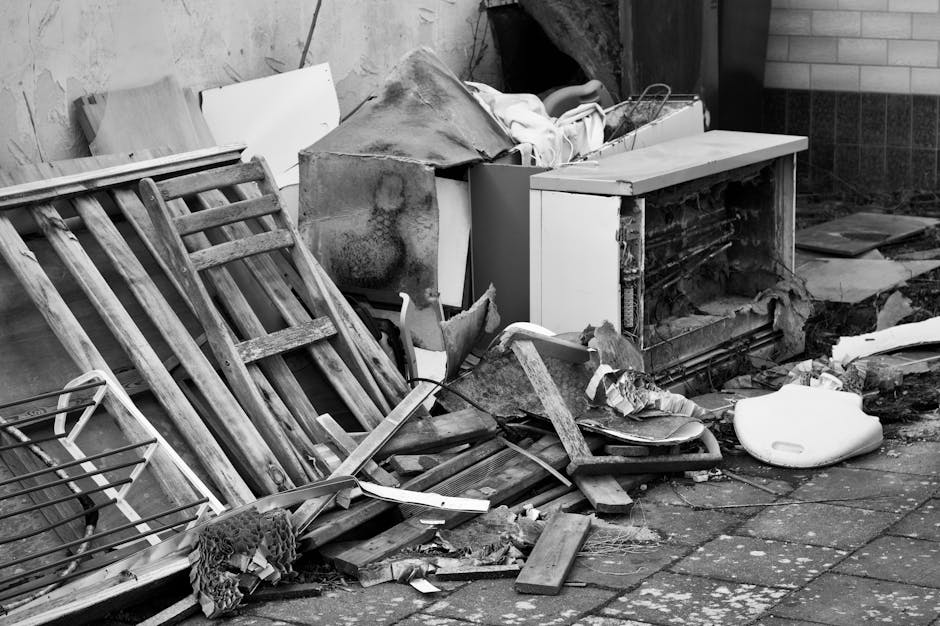
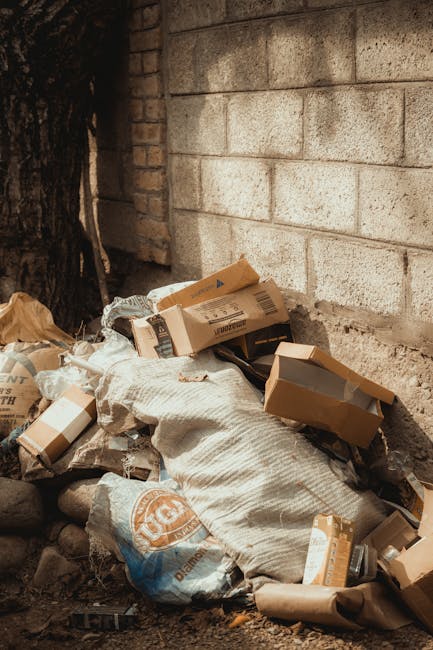
Mixed loads are common in gardens, particularly when storage areas have been used for a long time. A single space may contain old pots, packaging, bags of compost, broken tools, rusting metal items and a layer of general rubbish. The most efficient approach is to identify the material groups early so the load can be handled without confusion. This also helps avoid unnecessary handling of items that should remain on site.
Garden clearance is often easiest when the work is approached in sequence: clear the visible waste, separate anything reusable or to be kept, then remove the remaining items in a planned load. That method suits compact gardens as well as larger plots because it avoids unnecessary disruption. For wider waste collections, our waste removal page is a useful place to see how broader mixed waste work is described.
About Millbank
Millbank is a riverside district in central London, running along the Thames in the City of Westminster. It is closely associated with its historic government presence, most notably the long brick frontage of the former Millbank Prison site and the later development of Tate Britain, which opened in 1897 on part of the same ground. The area sits between Westminster, Pimlico and the river, giving it a mix of civic buildings, residential streets and cultural landmarks within a relatively compact footprint. Millbank’s riverside setting has long shaped its character, with views across the water and a strong connection to the embankment and nearby bridges. The present-day streets are a blend of period terraces, institutional buildings and modern developments, reflecting the district’s gradual change from industrial and penal use to administration, housing and arts. Tate Britain remains one of the best-known cultural institutions in the area, housing a major collection of British art and providing a public focus for visitors and local workers alike. The district is also notable for its proximity to the Houses of Parliament and the wider Westminster landscape, yet it retains a quieter feel than some neighbouring parts of central London. This combination of riverside geography, historic redevelopment and civic architecture gives Millbank a distinct identity within the broader Westminster area.
Domestic outdoor clearances and property clean-outs
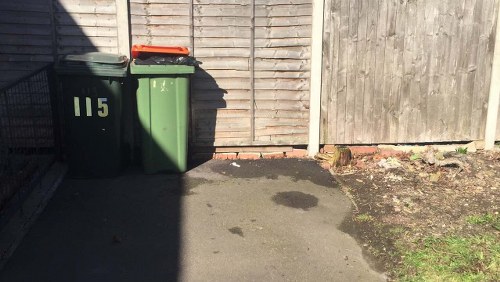
Some clearances involve a simple domestic garden, while others are part of a larger property clean-out where the outside space has collected items over time. We can remove household-linked outdoor waste such as old toys, broken storage, planter remnants and items left after decorating or moving. The work is planned so the garden is left clearer and the contents are taken away in a controlled way, rather than being piled up and left for later sorting.
Where a property has been vacant, rented, refurbished or partially emptied, the outdoor area may need attention alongside the main rooms. That can include side returns, front gardens, rear courtyards and narrow access routes where clutter tends to gather. If you are dealing with a broader property tidy-up, house clearance explains a related service that can sit alongside garden work when the whole property needs attention.
Two brief steps usually make quotations more accurate: list the main item types, and note whether access is straightforward or restricted. If there are items you want left in place, it is best to mention them clearly before the visit or assessment. Request a quotation when you are ready and we can help plan the next step.
What we can take from a garden
Garden clearance is not only about obvious green waste. A typical job may involve a mix of organic material, storage items and worn outdoor equipment that no longer has a practical use. We aim to remove the waste that is taking up space while keeping the process organised and understandable. That matters when the garden contains items that need separate handling or when the available access is narrow and careful movement is required.
- Branches, hedge cuttings and prunings
- Leaves, weeds and dead planting
- Broken pots, trays and planters
- Old furniture and outdoor storage items
- Timber offcuts, canes and supports
- General mixed debris from outdoor spaces
If a garden contains items that are particularly bulky, damp or awkwardly stored, it is helpful to identify them early so the clearance can be approached sensibly. For example, a pile of cuttings is handled differently from stacked furniture or bags of mixed rubbish. This is why a clear description matters: it helps us shape the work around the actual contents rather than making assumptions. You can also look at furniture clearance if the garden includes outdoor furniture or other larger pieces that need separate attention.
Access, timing and preparing for a quotation
Good planning usually starts with simple practical details. Letting us know how the garden is reached, whether there are stairs, gates or communal passages, and whether the waste is already gathered makes it easier to estimate the job properly. Photographs can be useful, but a concise description of the material, the volume and any difficult access is often enough to begin with. If there are plants, tools or containers that should stay, keep those separate and clearly identifiable.
It also helps to know whether the clearance is a one-off reset or part of a larger schedule. A single overgrown corner can need a very different approach from a full garden stripped of accumulated debris. When mixed items are involved, one careful list is better than several overlapping messages. That keeps the quotation process focused on the actual work and reduces the risk of missed details. For business premises with outdoor storage or yard waste, business waste removal may be a more suitable related service.
Clear access and clear instructions tend to make the whole process more straightforward. If the garden is shared or managed, it is sensible to confirm any practical constraints beforehand. Once you have that information ready, a quotation request can be dealt with more efficiently and with fewer surprises on the day.
Recycling, sorting and responsible disposal
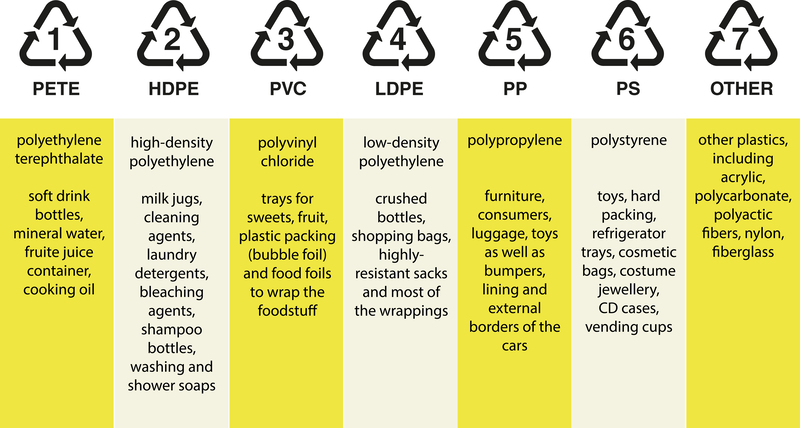
Many garden materials can be separated in ways that make disposal more orderly. Green waste, timber, metal items and mixed rubbish are not always handled in the same way, so sorting is an important part of the service. The aim is to avoid unnecessary mixing, keep the load manageable and send suitable material to the correct route where possible. That is particularly helpful when the clearance includes both natural waste and man-made items.
Responsible disposal is also about knowing when a garden load needs a little more care. Soil, rubble, broken containers and wet waste can increase weight quickly, so they need to be assessed realistically before removal. If the garden contains items that could be reused or recycled, separating them early supports a tidier process. Our recycling and sustainability page offers a broader view of how different waste types may be approached.
There is value in keeping the service practical rather than overcomplicated. Garden owners usually want a clear result: the waste removed, the area tidied and the remaining space easier to manage. By handling the different material types sensibly, the clearance supports that goal without unnecessary disruption. If you want to discuss a mixed outdoor load, plain details are usually enough to begin the conversation.
Practical garden clearance for properties in Millbank
Garden clearance in Millbank often suits properties where outdoor areas are limited in size but still gather a surprising amount of material over time. Courtyards, shared back gardens and compact terraces can all benefit from a structured removal service that deals with the waste without taking over the whole day. The key is to match the approach to the space, rather than forcing a generic method onto every layout.
Some gardens are being prepared for replanting, some are being emptied before work by another contractor, and some simply need a long-overdue reset. Whatever the reason, the objective is the same: remove the unwanted material, keep the usable parts intact and leave the garden in a cleaner state than before. If your next step is to clear attached storage areas as well, garage clearance can be useful where outdoor and storage spaces need to be dealt with together.
When you are ready, the simplest way to move forward is to ask for a clear quotation and outline what the garden contains. Brief notes about item types, access and any restrictions are usually enough to get started. If the work involves the house as well as the garden, you can also explore loft clearance for another part of the property that may need attention.
Choosing the right clearance approach
Different gardens call for different levels of intervention. A light clearance might involve bagged waste and a few broken items, while a more involved job could mean untangling mixed debris, handling awkward access and removing bulky outdoor pieces. We tailor the work to the actual condition of the space, which keeps the service sensible and avoids unnecessary disturbance to the parts of the garden that are staying.
It is also worth thinking about the order of the work. In some cases, clearing the visible rubbish first reveals a second layer of material that was hidden underneath. In others, the main task is simply to create enough space for maintenance or landscaping to begin. Either way, the service is more effective when it is matched to the garden’s condition. If a larger property needs several linked removals, flat clearance may be relevant for accompanying indoor spaces.
The easiest enquiries are usually the most direct. Tell us what the garden contains, what should remain, and whether there are any access limits or shared areas to consider. That gives enough information to prepare a suitable quotation without overcomplicating the process. Useful detail is better than long explanation, especially when the main aim is simply to get the space cleared.