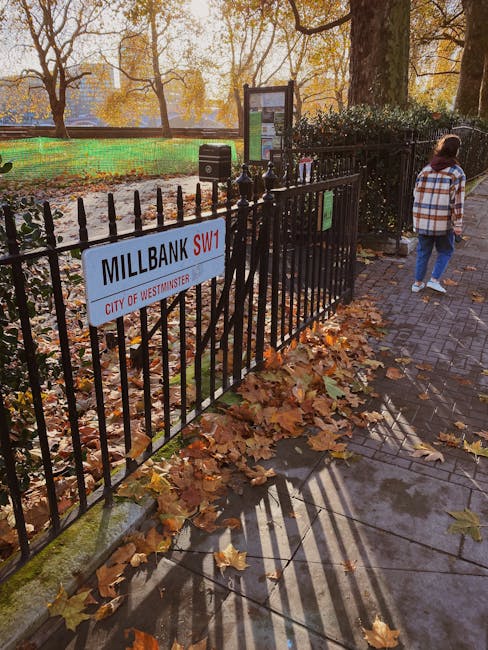
Millbank council rules for bulky waste disposal and fines: what residents need to know
If you are dealing with a sofa, broken mattress, old wardrobe, or a pile of awkward household junk, the rules can feel strangely complicated. Millbank council rules for bulky waste disposal and fines are there to stop fly-tipping, protect shared streets and bin areas, and make sure waste is handled properly. But for most people, the real question is simple: how do you get rid of bulky items without causing a headache, wasting money, or risking a penalty?
This guide explains the practical side of bulky waste in Millbank: what usually counts as bulky waste, why councils care so much, what can trigger fines, and how to choose the cleanest, safest route. You will also find a step-by-step checklist, common mistakes, and a realistic comparison of disposal methods so you can make a sensible decision without second-guessing yourself.
Table of Contents
- Why Millbank council rules for bulky waste disposal and fines Matters
- How Millbank council rules for bulky waste disposal and fines Works
- Key Benefits and Practical Advantages
- Who This Is For and When It Makes Sense
- Step-by-Step Guidance
- Expert Tips for Better Results
- Common Mistakes to Avoid
- Tools, Resources and Recommendations
- Law, Compliance, Standards, or Best Practice
- Options, Methods, or Comparison Table
- Case Study or Real-World Example
- Practical Checklist
- Conclusion
- Frequently Asked Questions
Why Millbank council rules for bulky waste disposal and fines Matters
Bulky waste is one of those things that seems harmless right up until it is left in the wrong place. A single mattress on the pavement can block access, look untidy, attract complaints, and create a job for street cleansing crews who already have enough on their plate. In a busy area like Millbank, that matters. Shared entrances, narrow pavements, and regular foot traffic all increase the chances that poorly placed waste becomes a nuisance very quickly.
The council rules exist for a few practical reasons. First, they reduce the risk of fly-tipping, which is expensive to clear and frustrating for everyone nearby. Second, they help keep public spaces safe. An old chest of drawers may not seem dangerous, but it can trip pedestrians, obstruct wheelchairs or prams, and become a hazard if it is broken apart. Third, the rules create a clear standard for residents, landlords, and local businesses so that waste does not quietly drift from one doorstep to another.
And then there is the fine risk. To be fair, most people do not intentionally break the rules. They leave an item outside "for collection," or they assume someone else will take it, and suddenly it is an issue. Council enforcement can happen when waste is dumped illegally, placed out without permission, or handled in a way that breaches local requirements. The exact enforcement approach can vary, but the principle is consistent: if bulky waste ends up where it should not be, you may face a penalty.
That is why it is worth understanding the process before you move a single item. A bit of planning now can save you from a very annoying problem later. Not glamorous, I know. Still worth it.
How Millbank council rules for bulky waste disposal and fines Works
In most UK areas, bulky waste refers to items that are too large for normal household bins or collection rounds. Think sofas, wardrobes, tables, chairs, white goods, carpets, and similar large objects. Councils usually provide a bulky waste service or direct residents to approved disposal routes. The details change from place to place, so the safest approach is always to check the current local guidance before leaving anything outside.
As a rule of thumb, the council expects bulky items to be presented properly, at the correct time, and in the correct location. That often means on the collection day only, not days in advance. It also means keeping items accessible to crews without blocking public walkways or communal entrances. If you are in a flat, for example, the collection point may be quite specific. In a house, it may still need to be within the boundary rather than on the pavement. Small detail, big difference.
Fines are usually linked to non-compliance rather than the mere act of disposing of bulky waste. In practice, the risk increases when someone:
- leaves bulky items in a public place without authorisation
- places waste out too early or too late for collection
- uses an unlicensed or unreliable waste carrier
- abandons waste after a move, renovation, or clear-out
- mixes prohibited items with general household bulky waste
One common misunderstanding is thinking that "if it is near the bins, it must be fine." Not always. Council teams generally care about timing, location, and responsibility. If an item is left where the public can access it, and there is no permitted collection arrangement, that is where trouble starts.
For larger clearances, many residents also consider a private removal service. That can be a practical route when you have several items, limited lifting capacity, or a short deadline. Services such as waste removal or furniture disposal can be especially useful when you need things handled quickly and tidily, without leaving anything on the street overnight.
Key Benefits and Practical Advantages
Following the rules is not just about avoiding fines, although that is a pretty obvious benefit. There are several practical wins that people often overlook until they have been through the process once.
- You reduce legal and enforcement risk. Simple enough, but crucial. If the waste is collected or removed properly, you are far less exposed to penalties.
- You keep communal areas usable. In Millbank, shared spaces can become cluttered fast. Clearing items properly helps everyone move around safely.
- You avoid repeat handling. Leaving an item out, having it ignored, and then dragging it back indoors is nobody's idea of fun.
- You protect your reputation. This matters for landlords, letting agents, and businesses. A neat waste process sends the right message.
- You can separate reusable items from true waste. That often leads to better recycling outcomes and less landfill.
There is also a quieter advantage: peace of mind. You know the job has been dealt with properly, which makes a surprising difference when you are already juggling a move, a bereavement, a tenancy change, or renovation mess. Truth be told, bulky waste often arrives at stressful moments anyway.
If you are clearing multiple items from a property, it can help to pair bulky waste disposal with a broader clearance plan. For example, a full house clearance or home clearance can be more efficient than making several small decisions one by one. Less faff. More done.
Who This Is For and When It Makes Sense
This topic matters to a lot of people, not just tenants or homeowners with a broken sofa. Millbank council rules for bulky waste disposal and fines are relevant whenever large items need to leave a property responsibly.
You may need this if you are:
- moving out of a flat and cannot take furniture with you
- clearing a spare room, attic, garage, or storage space
- dealing with a bed, wardrobe, or mattress that has reached the end of its life
- managing waste after renovations or repairs
- acting for a landlord, estate agent, or property manager
- running a small office and replacing large items
It also makes sense if access is awkward. A third-floor flat, basement storage room, narrow staircase, or tightly parked street can turn a simple item into a mini logistics job. That is where a bit of expert help can save time. For lofts, garages, and awkwardly stacked spaces, services like loft clearance and garage clearance are often more practical than trying to shift everything yourself in one go.
If you are a business, the stakes can be slightly different. Waste from desks, shelving, reception furniture, or storage rooms needs handling carefully, and it should not be left to chance. A structured route such as business waste removal is often the neatest option because it reduces disruption and keeps the site tidy.
Step-by-Step Guidance
If you want to stay on the right side of the rules, a straightforward process usually works best. No drama, no guesswork.
- Identify the items. Write down exactly what needs to go. Separate furniture, white goods, mixed waste, and anything that may need special handling.
- Check local collection rules. Confirm how bulky items should be presented, where they can be left, and when collection is allowed. Do not assume last month's advice is still current.
- Decide whether items are reusable. If something can be sold, donated, or repurposed, that may be better than immediate disposal.
- Choose the safest disposal route. That might be council collection, a licensed removal service, or a larger clearance package.
- Prepare the items. Empty drawers, remove loose contents, and make sure nothing sharp or hazardous is mixed in.
- Place items correctly. Only put them out when instructed, and keep them off pavements unless that is specifically permitted.
- Keep proof of arrangement. Save booking confirmations, receipts, or messages in case you need to show the waste was handled properly.
A practical example: suppose you have an old sofa and two wardrobes in a Millbank flat. If you put them out on the wrong day because "someone said Thursday was fine," you risk complaints and possible enforcement. If instead you book a collection, keep the items inside until the agreed time, and confirm the pickup location, the whole thing becomes much less stressful. Boring, maybe. Effective, absolutely.
For larger rooms or whole-property jobs, a broader clearance can be more efficient than treating each item separately. A flat clearance is often the cleanest solution where access and timing are tight, especially in shared buildings.
Expert Tips for Better Results
In our experience, the best bulky waste jobs are the ones that are planned just a little better than they need to be. That sounds obvious, but it is remarkable how often a good disposal plan comes down to one extra bit of preparation.
1. Don't wait until the last minute. If you are moving or refurbishing, book disposal early. Council slots and private collections can both get busy, especially around weekends and month-end.
2. Keep wet or damaged items separate. A waterlogged mattress, broken plasterboard, or damp furniture can be heavier and messier than expected. Separate them before collection so the job does not become awkward.
3. Measure access properly. This matters more than people think. Door widths, stair turns, lift sizes, and parking access can all affect how easily bulky waste can be removed.
4. Ask about recycling before disposal. Not every item needs to be treated as general waste. Some furniture and materials can be diverted from landfill through sorting and reuse routes.
5. Use a company that explains its process clearly. You do not need fancy language. You need straight answers about collection timing, loading, sorting, and what happens to the waste after it leaves the property.
If you care about responsible disposal, check the provider's environmental approach. A page like recycling and sustainability can be a good sign that the business thinks beyond the van arriving and disappearing again. That should matter.
And one more thing: if a price seems suspiciously low, ask what is included. The cheapest quote is not always the cheapest outcome. Hidden extras have a nasty habit of appearing at the worst possible moment.
Common Mistakes to Avoid
Most fines and disputes around bulky waste come from a handful of avoidable errors. Once you know them, the whole thing becomes much less mysterious.
- Leaving items outside too early. Even if the collection is booked, premature placement can cause obstruction or complaints.
- Assuming "near the property" is good enough. In some streets, public placement is a problem even if the item is close to the address.
- Mixing bulky waste with builders' rubble or trade waste. Different waste types often need different handling. A pile of broken tiles is not the same as an old wardrobe.
- Using an unverified carrier. If waste is dumped illegally after collection, you may still find yourself dealing with the consequences if the carrier was not properly licensed or reputable.
- Forgetting about access and parking. A collection can fail simply because the vehicle cannot stop safely or the path is blocked.
- Ignoring shared building rules. Flats and managed developments can have their own procedures, and they matter just as much as council guidance.
There is also a less obvious mistake: not separating useful items from waste. A sturdy table, a working appliance, or decent office chair may be suitable for reuse, sale, or specialist disposal. That can reduce cost and waste volume. It is worth the five-minute check.
For renovation debris, make sure you do not treat every item as regular bulky waste. A dedicated service such as builders waste clearance is often the better route when the pile includes mixed construction materials.
Tools, Resources and Recommendations
You do not need a toolkit the size of a hardware store, but a few simple things make bulky waste handling much smoother.
- Measuring tape. Useful for checking if large furniture will fit through doors, lifts, or stair turns.
- Labels or marker tape. Handy when sorting items into reuse, recycle, and waste piles.
- Gloves and sturdy footwear. Old furniture often has sharp staples, splinters, or broken fittings.
- Basic photo records. A quick photo of the items and collection area can help if there is any later confusion.
- Booking confirmation or written agreement. Keep a record of what was arranged and when.
If you are comparing service options, look for clarity on pricing, insurance, safety handling, and what happens to collected items. The most useful providers are usually the ones that are transparent without making you chase them for basic answers. A sensible place to begin is the pricing and quotes information, which should give you a clearer sense of how the service is structured.
For more unusual clearances, use the service page that matches the job. A furniture-heavy clearance is not the same as a mixed home emptying, and a small office refresh is different again. That sounds obvious, but the right fit matters.
If you want to understand who is behind the service, have a look at about us. A good company should be comfortable explaining how it works, what it prioritises, and how it keeps the process safe.
Law, Compliance, Standards, or Best Practice
This is the part people often skim, then regret later. Bulky waste disposal touches wider UK waste rules, and local council requirements sit within that broader framework. While the exact Millbank procedure may differ depending on the current council policy, the basic expectations are consistent across the country: waste should be stored, presented, transported, and disposed of responsibly.
Best practice usually means:
- not leaving waste in a public place without permission
- using responsible and appropriately insured waste handling
- sorting materials where practical for reuse or recycling
- keeping clear records of bookings or removals
- making sure access routes remain safe and unobstructed
Where households are concerned, the duty is mostly about avoiding fly-tipping and nuisance. Where businesses are involved, the standard is often stricter in practice because the volume, frequency, and responsibility are higher. If your premises involve staff, visitors, or managed access, the margin for error is smaller. That is just how it is.
You should also be careful with shared buildings and leaseholds. Building management rules can sit alongside council rules, so one does not cancel out the other. If in doubt, the safest move is to keep the waste indoors until collection is confirmed, rather than guessing. Guessing is where trouble starts.
For firms and landlords who need a more structured approach, a properly organised clearance can help demonstrate good housekeeping. That can include office contents, furniture, storage items, and recurring waste from premises. In those cases, a service like office clearance may be more appropriate than ad hoc disposal.
Options, Methods, or Comparison Table
There is no single right way to deal with bulky waste. The best method depends on volume, timing, access, and how much hands-on work you want to do yourself. Here is a practical comparison.
| Method | Best for | Pros | Watch-outs |
|---|---|---|---|
| Council bulky waste collection | One-off items or small quantities | Simple when available, usually cost-conscious | May have limited slots, strict presentation rules, and item restrictions |
| Private bulky waste removal | Fast turnaround, awkward access, multiple items | Convenient, flexible, less lifting for you | Cost can be higher; check what is included |
| Full property clearance | Moves, bereavements, end-of-tenancy jobs | Efficient for larger loads and mixed items | Needs more planning and clear scope |
| Reuse or donation route | Usable furniture and household goods | Reduces waste and may help others | Not suitable for damaged or unhygienic items |
If the job involves soft furnishings, damaged household pieces, or mixed furniture, a focused option like furniture clearance may be the neatest middle ground. It can sit somewhere between a quick single-item pickup and a bigger property clearance.
For garden furniture, broken planters, or outdoor debris, a more specific approach such as garden clearance may make more sense. Different waste, different process. Simple really.
Case Study or Real-World Example
Here is a realistic Millbank scenario. A tenant is moving out of a two-bedroom flat after several years, and the property has accumulated a damaged sofa, a mattress, a desk, and a couple of shelves that will not survive the move. The building has a communal entrance, limited lift access, and no spare space in the lobby. If the tenant leaves the items in the wrong place even for one night, they risk complaints from neighbours and possible enforcement if the waste appears abandoned.
Instead, they sort the items into two groups: reuse and disposal. A service is booked, access details are shared in advance, and the items stay indoors until the agreed collection time. The crew arrives, removes everything in one visit, and the flat is left clear. No awkward messages from the building manager. No guessing. No mess in the morning light.
Now compare that to the common alternative: the items are dragged outside "temporarily" because nobody wants to carry them back upstairs. A passer-by sees them, the hallway gets crowded, and the waste sits long enough to become everyone's problem. That is exactly the sort of situation that can lead to fines or at least an unpleasant conversation. Nobody needs that.
This kind of case is why a complete house clearance or home clearance is often worth considering when several bulky items are involved. You get one plan, one collection, and a cleaner result.
Practical Checklist
Use this before you put anything out or book a collection.
- Have I checked the current local bulky waste rules?
- Do I know exactly which items need disposing of?
- Can any items be reused, donated, or sold?
- Have I separated bulky waste from general rubbish and builder's debris?
- Is the collection time confirmed in writing?
- Do I know where items should be placed, and where they should not be placed?
- Have I checked access, parking, lifts, and stairways?
- Are there any sharp edges, loose parts, or hazards to remove first?
- Do I have proof of booking or removal?
- Have I chosen the safest and most suitable disposal option for the job?
If you can tick all ten, you are in a much better position. It sounds basic, but it works.
Conclusion
Millbank council rules for bulky waste disposal and fines are really about one thing: keeping waste managed, visible, and properly handled before it becomes a public problem. If you understand the collection rules, choose the right disposal method, and avoid leaving items out at the wrong time, you can usually stay clear of fines and unnecessary stress.
The smartest approach is to treat bulky waste as a planning task, not a last-minute chore. Decide what is reusable, what needs collecting, and what route gives you the least risk and the best result. Sometimes that is a council pickup. Sometimes it is a larger clearance. Sometimes it is simply getting someone to lift the whole headache off your shoulders.
Get a free quote today and see how much you can save.
And if you are staring at a room full of awkward items right now, don't worry. Start with one bag, one chair, one decision. The rest gets easier once the first bit is done.
Frequently Asked Questions
What counts as bulky waste in Millbank?
Bulky waste usually means items too large for normal household bins, such as sofas, mattresses, wardrobes, tables, chairs, and some white goods. Exact definitions can vary, so it is wise to check current local guidance before arranging disposal.
Can I leave bulky waste on the pavement for council collection?
Only if the collection instructions specifically allow it. In many cases, waste left out too early or in the wrong place can be treated as an obstruction or as abandoned waste. Keep it in a safe, private area until the agreed time.
What happens if I put bulky waste out on the wrong day?
You may face complaints, missed collection, or enforcement action if the waste is seen as improperly placed. The risk rises when items remain in public view for long enough to look abandoned.
Can I get fined for using the wrong waste carrier?
Yes, there can be consequences if waste is handled improperly or dumped illegally after collection. That is why it matters to use a reputable, transparent service and keep records of the arrangement.
Is it cheaper to use council collection or a private service?
Council collections can be cost-effective for a small number of items, but availability and item limits may apply. Private services can be more convenient for bigger or more awkward jobs, though pricing depends on access, volume, and waste type.
What should I do with furniture that is still usable?
If an item is in decent condition, consider reuse, resale, or donation before disposal. That can reduce waste, keep costs down, and avoid sending something to landfill that still has life left in it.
Do flats and shared buildings have different rules?
Often, yes. Communal entrances, shared bin stores, and landlord or managing agent rules can affect where and when bulky waste may be placed. In flat blocks, the safest option is usually to wait for a confirmed collection rather than improvising.
Can builders' waste go with bulky household waste?
Not usually. Bricks, tiles, plasterboard, and similar materials are normally handled differently from household bulky items. If your job includes renovation debris, a dedicated builders waste service is often more suitable.
How do I avoid bulky waste fines completely?
Follow the collection instructions carefully, do not leave items out early, keep waste off public land unless authorised, and use a proper disposal route. Good records and a little planning go a long way.
What is the best option if I have several large items and little time?
A private clearance service is often the most practical option when access is awkward or the deadline is tight. It reduces lifting, cuts confusion, and usually gets the whole job done in one visit.
Can waste be collected from a loft, garage, or whole property?
Yes, but these jobs are often better handled as part of a broader clearance rather than item-by-item disposal. Services like loft, garage, or full home clearances are designed for exactly that kind of situation.
Why do councils care so much about bulky waste?
Because poorly managed bulky waste affects safety, street appearance, access, and local cleanliness. One sofa on the wrong pavement can quickly become a bigger issue than it first appears.